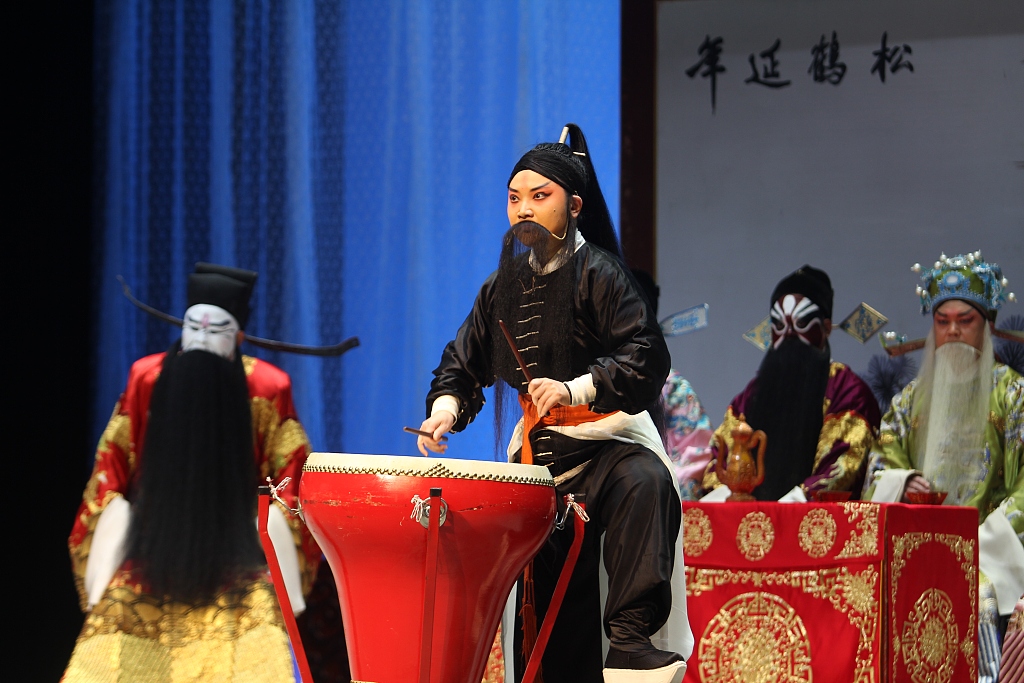
Hanju Opera
Introduction
Hanju Opera, formerly known as Chu Tune or Han Tune, originates from the Qing Dynasty (1644-1911). It is popular in Hubei province and extends to parts of Hunan, Henan, Sichuan, Shaanxi, Anhui, Jiangxi, Guizhou and Shanxi provinces.
With a rich history spanning over 300 years, Hanju Opera is renowned for its unique blend of colorful costumes, expressive performances, and intricate musical compositions. This form of opera has influenced other regional operas such as Peking Opera, Sichuan Opera and Cantonese Opera, showcasing its widespread impact across China.
Characteristics
The musical composition of Hanju Opera is a testament to its rich cultural heritage. It employs a variety of traditional Chinese instruments, including the erhu and pipa, to create a melodic and harmonious soundscape. The music is characterized by its emotive melodies and intricate rhythms, which play a vital role in conveying the narrative and enhancing the emotional depth of the performances.
Hanju Opera is renowned for its elaborate costumes and intricate makeup, which are integral aspects of the performance. The costumes are crafted with vibrant colors and intricate designs, reflecting the cultural significance and social status of the characters. Makeup, often elaborate and symbolic, is used to accentuate the performers' expressions and highlight the distinctive features of each character, adding a visual dimension to the storytelling.
The performance style of Hanju Opera is characterized by its expressive gestures, graceful movements and powerful vocal techniques. Performers undergo rigorous training to master the art of conveying complex emotions through subtle facial expressions and dynamic body movements. This style not only captivates audiences but also preserves the traditional techniques passed down through generations.
Cultural Significance
Hanju Opera holds a profound cultural significance within Chinese society. It serves as a medium for storytelling, preserving historical narratives and transmitting cultural values. The operas often feature themes drawn from Chinese literature, folklore and history, offering audiences a glimpse into the rich tapestry of Chinese cultural heritage. Furthermore, Hanju Opera fosters a sense of community and identity among its practitioners and audiences, contributing to the preservation of regional cultural traditions.
Modern Developments
In recent years, efforts to revive and promote Hanju Opera have gained momentum. Institutions like the Wuhan Hanju Opera Theater have played a pivotal role in this resurgence, producing innovative works that blend traditional elements with contemporary themes. These revival efforts aim to attract new audiences while preserving the essence of Hanju Opera, ensuring its continued relevance in modern society.








